Three ways to do a jigsaw
The games share most of their tools, so the choice is really about the kind of puzzle you fancy. Here is what sets each apart.
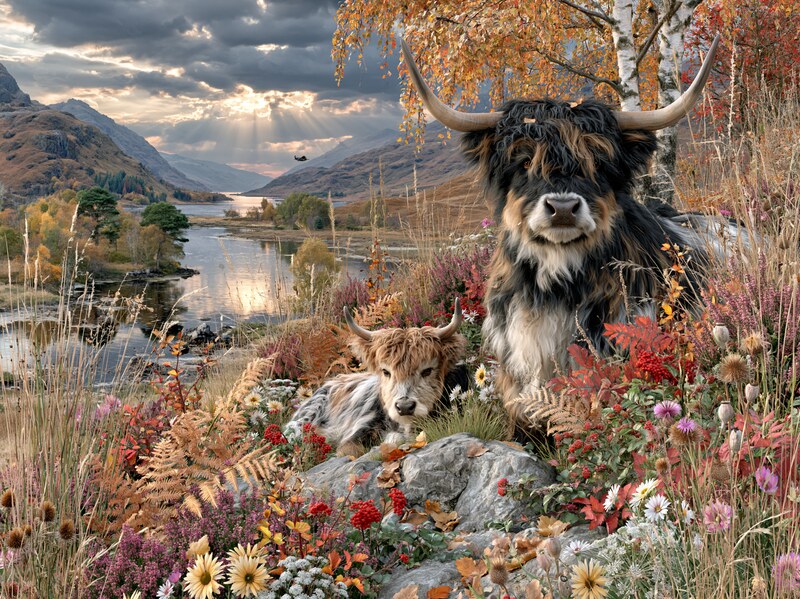
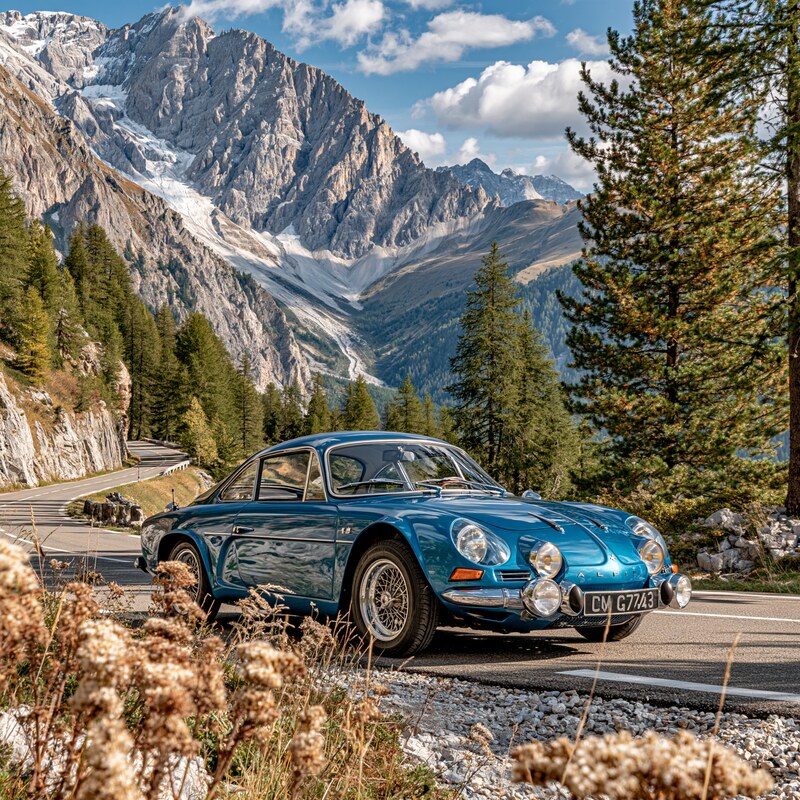
The familiar kind: a rectangular picture and interlocking pieces. It has the widest choice of size of the three, with a list that goes up to 500 pieces and a custom number up to 1,000. A ginger Highland cow in purple heather, looking out over a loch at sunset, is the sort of picture waiting there. Its own page explains how to choose your pieces.
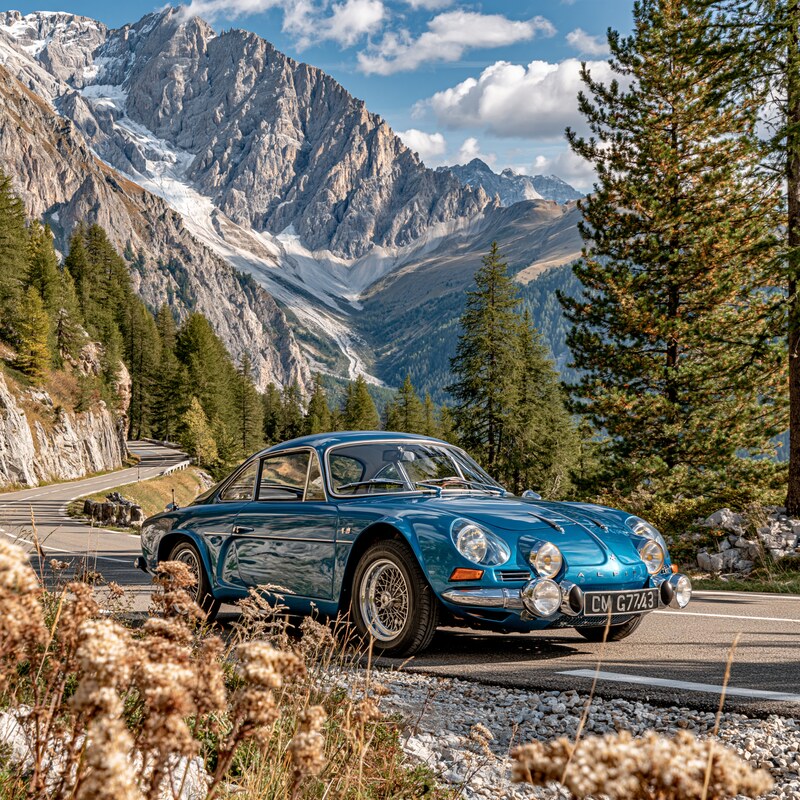
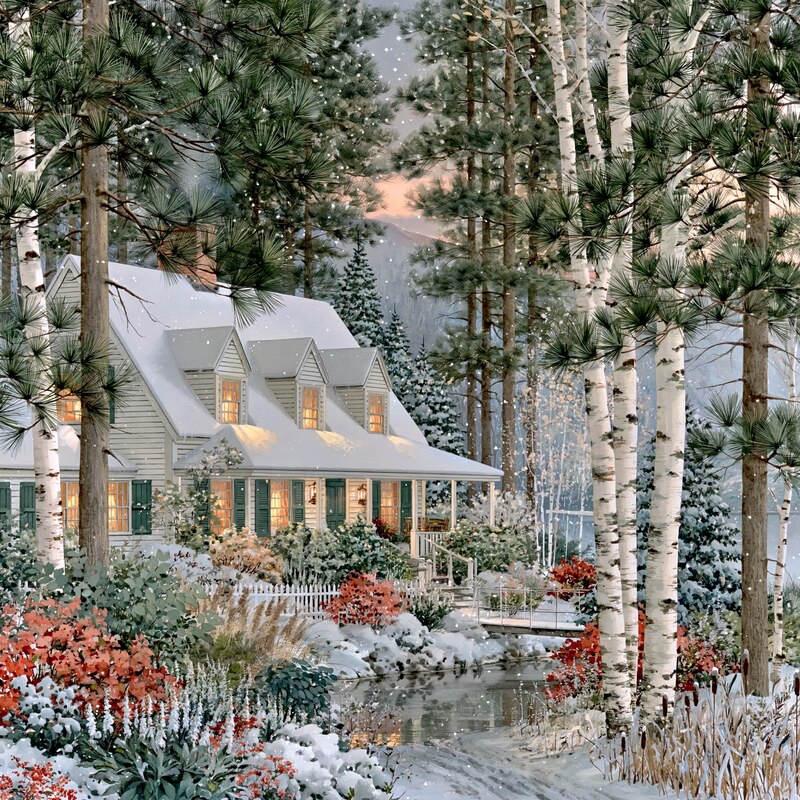
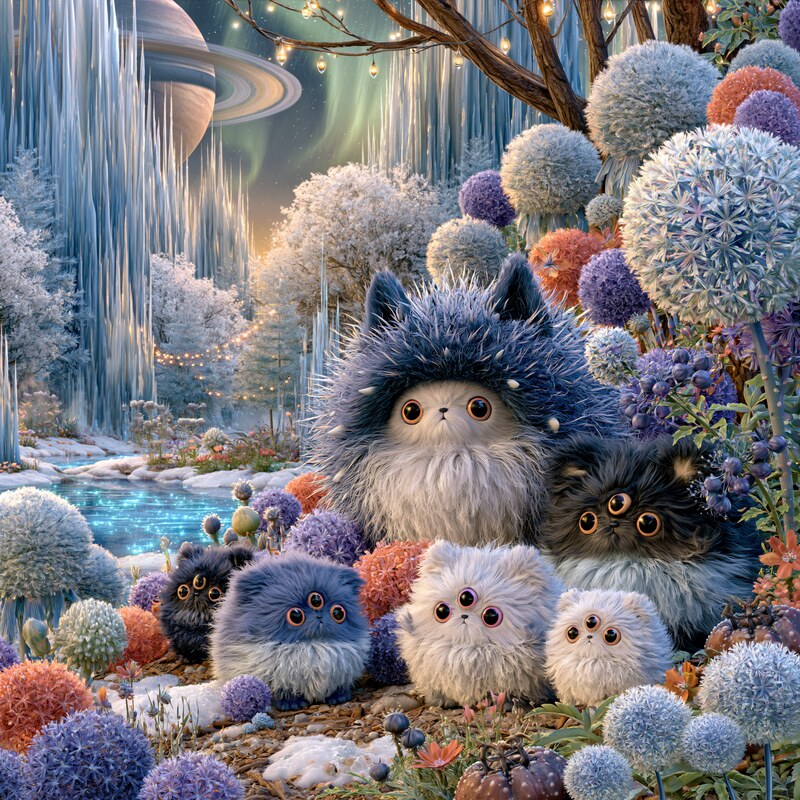
This is the classic game again, with the same piece sizes, but its pictures range much more widely. A crowded drive-in with a film kiss on the big screen, grey surf bursting over a harbour wall and a waterfall tumbling between giant toadstools are all there. Its own page sorts the galleries by subject.
The puzzle is a circle, cut into one round centre piece with rings of wedge-shaped pieces around it, where the other games cut their pictures on a grid. The sizes are smaller, with 120 pieces the largest. Among its pictures is a wren asleep among holly berries. How the rings and the border work is set out on the round game's page.
This is the game that moves: the puzzle is made from a short looping film rather than a photograph, and when it is finished the picture goes on moving on the table. Its top bar has the same tools plus two buttons of its own, for the film and for its sound. One of the films shows a pair of lovebirds on a blossom branch. What happens to the film while you are placing pieces is on that game's page.
What they share
The same ten piece shapes are offered in all three, along with the storage box, hints, turned pieces and saving. A finished puzzle in each of them can be watched coming together again as a replay, and the replay can be saved as a video. Hints, credits and badges are shared between the games in the same browser, and so are your table colour and your choice about the storage box.
The website also has shareable jigsaws and greeting cards, on its Free Jigsaw Puzzles page.
Hints, credits and badges: how they are earned and spent
The games keep a tally as you play. Finishing puzzles earns credits, credits buy hints, and badges mark what you have done. Nothing in the games is paid for with money.
Hints
The lightbulb button is the hint. It outlines in green two pieces that join, shows where they go, and uses 1 hint. Press the lightbulb again and the same hint is shown for free until those two pieces are joined. The sparkle button is "Join two pieces for me": it moves two pieces together and joins them, and it uses 2 hints. A new player starts with 5 hints.
Credits
A new player starts with 30 credits. Finishing a puzzle earns more, by the piece count chosen: 5 for up to 48 pieces, 15 for 49 to 96, 30 for 97 to 199 and 50 for 200 or more. Bonuses come on top, among them the "No hints bonus" for finishing without a hint or a join, and the "First time bonus" of 5 credits the first time a picture is finished at that piece count. Credits buy hints and nothing else, in the Rewards Shop: "1 Hint" for 10 credits or "5 Hints" for 45.
Badges
The Badge Collection panel lists 41 badges. Some count puzzles finished, from First Steps for 1 to Legend for 500. Others are for finishing without hints, for finishing in under 3 seconds a piece, for puzzles of 100 pieces or more, and for days in a row with a finished puzzle. A few go by the clock, such as Night Owl, earned by finishing between midnight and 5am five times. A badge is earned once and adds credits of its own.
Hints, credits and badges are shared by all three games in the same browser, so credits earned in the round game can buy hints you use in the classic one.