Disclosure: As an Amazon Associate we earn from qualifying purchases.
Halloween Jigsaw Puzzles – Haunted Houses, Pumpkins & More
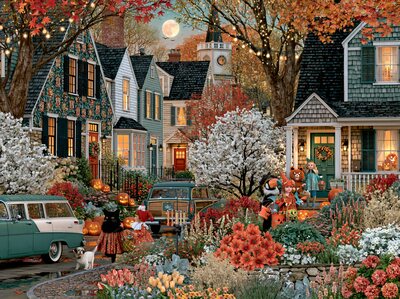
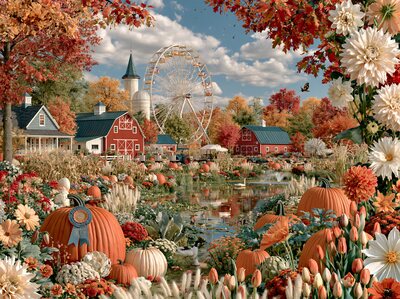
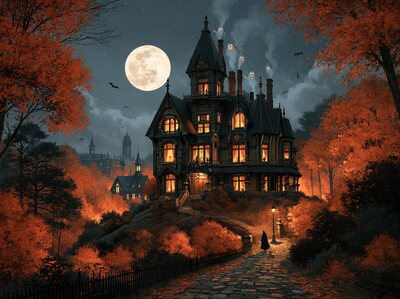
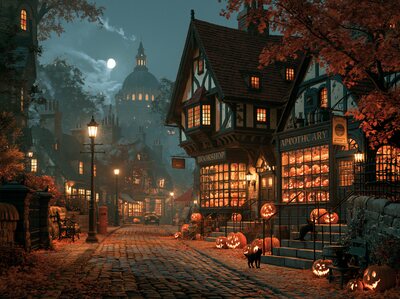
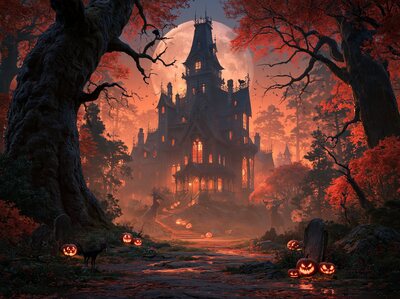
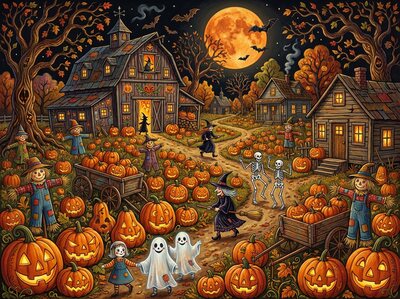
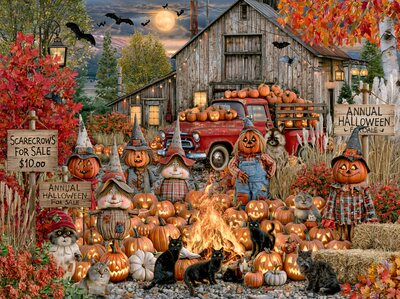
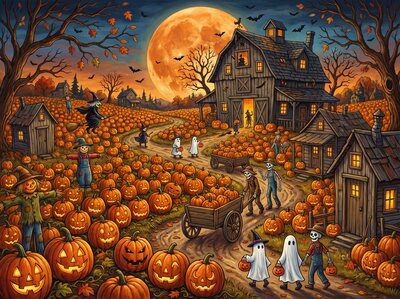
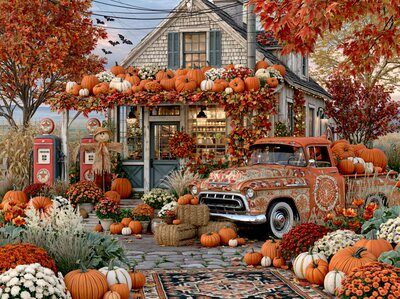
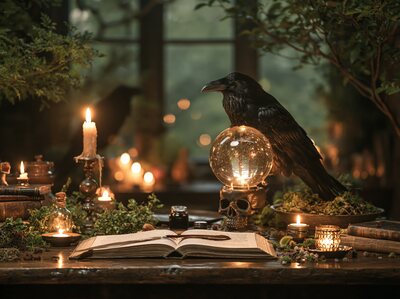
Step into a world of glowing jack-o'-lanterns, crooked haunted houses and moonlit streets. Our Halloween jigsaw puzzles are spooky, cozy and packed with little details to discover, from witches' potion shops and spell libraries to pumpkin-filled farmyards and black cats on the rooftops. Pick a theme below and start piecing together your favorite Halloween scene. No tricks, just treats!
Halloween: History, Traditions and How to Enjoy It Safely
A Short History of Halloween
Halloween grew from an ancient Celtic festival called Samhain, celebrated in Ireland, Scotland and the Isle of Man. Samhain marked the end of the harvest and the start of the dark half of the year, around October 31 to November 1. People believed that on this night the boundary between the living world and the spirit world grew thin. Communities lit great bonfires, and some people wore disguises, perhaps to avoid being recognized by wandering spirits.
The Christian church later placed its own festival alongside these older customs. November 1 became All Saints' Day, also known as All Hallows. The evening before was All Hallows' Eve, which was eventually shortened to "Hallowe'en." The word itself comes from Scotland, and Scottish poet Robert Burns helped popularize it with his poem "Halloween" in 1785.
In Scotland and Ireland, children went "guising": dressing up and going door to door, performing a song, poem or joke in return for food or coins. They carried lanterns carved from turnips or other root vegetables, often with frightening faces.
In the 19th century, millions of Irish and Scottish people emigrated to North America and brought their Halloween customs with them. In America, the pumpkin, larger and easier to carve than a turnip, quickly became the lantern of choice. The jack-o'-lantern was born, and Halloween began its transformation into the holiday we know today.
Where Halloween Is Celebrated, and Why It's So Popular
Halloween is celebrated most enthusiastically in the United States and Canada, where Americans spend billions of dollars each year on costumes, candy and decorations. It remains popular in its homelands of Ireland and Scotland. The city of Derry in Northern Ireland hosts one of the biggest Halloween festivals in Europe. The holiday has also spread to England, Australia, parts of Europe and Japan, where costumed crowds gather in city centers.
Halloween is sometimes confused with Mexico's Day of the Dead (Día de los Muertos), held on November 1 and 2. They fall at the same time of year, but the Day of the Dead is a separate tradition, focused on lovingly remembering family members who have died.
So why has Halloween become so popular? Part of the answer is that it's a holiday without pressure. There are no big family meals to cook or expensive gifts to buy. Anyone can join in, whatever their background. It lets children and adults alike become someone else for a night. It brings neighbors together and gets people knocking on doors they might never otherwise visit. And it arrives at a perfect moment, when autumn colors are at their best and the evenings are drawing in.
Trick-or-Treating: How It Began
Going door to door for treats has deep roots. Besides Scottish and Irish guising, medieval England had "souling," when the poor visited homes on All Souls' Day and received small "soul cakes" in return for praying for the family's dead.
The phrase "trick or treat" itself is much newer. Its earliest known appearance in print is from a Canadian newspaper in 1927. The custom spread across North America in the 1930s, partly as a way to channel children's energy away from pranks and vandalism.
Trick-or-treating paused during World War II, when sugar was rationed. After the war it took off in a big way. By the 1950s, with growing suburbs, television and candy companies all promoting it, trick-or-treating had become a fixture of American childhood.
Halloween: History, Traditions and How to Enjoy It Safely
A Short History of Halloween
Halloween grew from an ancient Celtic festival called Samhain, celebrated in Ireland, Scotland and the Isle of Man. Samhain marked the end of the harvest and the start of the dark half of the year, around October 31 to November 1. People believed that on this night the boundary between the living world and the spirit world grew thin. Communities lit great bonfires, and some people wore disguises, perhaps to avoid being recognized by wandering spirits.
The Christian church later placed its own festival alongside these older customs. November 1 became All Saints' Day, also known as All Hallows. The evening before was All Hallows' Eve, which was eventually shortened to "Hallowe'en." The word itself comes from Scotland, and Scottish poet Robert Burns helped popularize it with his poem "Halloween" in 1785.
In Scotland and Ireland, children went "guising": dressing up and going door to door, performing a song, poem or joke in return for food or coins. They carried lanterns carved from turnips or other root vegetables, often with frightening faces.
In the 19th century, millions of Irish and Scottish people emigrated to North America and brought their Halloween customs with them. In America, the pumpkin, larger and easier to carve than a turnip, quickly became the lantern of choice. The jack-o'-lantern was born, and Halloween began its transformation into the holiday we know today.
Where Halloween Is Celebrated, and Why It's So Popular
Halloween is celebrated most enthusiastically in the United States and Canada, where Americans spend billions of dollars each year on costumes, candy and decorations. It remains popular in its homelands of Ireland and Scotland. The city of Derry in Northern Ireland hosts one of the biggest Halloween festivals in Europe. The holiday has also spread to England, Australia, parts of Europe and Japan, where costumed crowds gather in city centers.
Halloween is sometimes confused with Mexico's Day of the Dead (Día de los Muertos), held on November 1 and 2. They fall at the same time of year, but the Day of the Dead is a separate tradition, focused on lovingly remembering family members who have died.
So why has Halloween become so popular? Part of the answer is that it's a holiday without pressure. There are no big family meals to cook or expensive gifts to buy. Anyone can join in, whatever their background. It lets children and adults alike become someone else for a night. It brings neighbors together and gets people knocking on doors they might never otherwise visit. And it arrives at a perfect moment, when autumn colors are at their best and the evenings are drawing in.
Trick-or-Treating: How It Began
Going door to door for treats has deep roots. Besides Scottish and Irish guising, medieval England had "souling," when the poor visited homes on All Souls' Day and received small "soul cakes" in return for praying for the family's dead.
The phrase "trick or treat" itself is much newer. Its earliest known appearance in print is from a Canadian newspaper in 1927. The custom spread across North America in the 1930s, partly as a way to channel children's energy away from pranks and vandalism.
Trick-or-treating paused during World War II, when sugar was rationed. After the war it took off in a big way. By the 1950s, with growing suburbs, television and candy companies all promoting it, trick-or-treating had become a fixture of American childhood.